
Eye tracking technology represents a fascinating cursor alternative that leverages the user's gaze to control the interface. By using specialized cameras and sensors, eye tracking systems can detect where a user is looking on the screen, allowing them to select items or navigate without any physical input.
As we move forward, it is essential for developers and designers to embrace these technologies, creating interfaces that are not only functional but also intuitive and engaging. These cursor alternatives cater to diverse user needs, promoting inclusivity and efficiency in digital interactions. The future of human-computer interaction is bright, and with these cursor alternatives, we are just beginning to scratch the surface of what is possible.
Food Web Disruption: Changes in species distributions and population dynamics can disrupt food webs. For example, if a primary producer, such as phytoplankton, is affected by rising temperatures, the entire marine food web may be impacted, leading to declines in fish populations and affecting fisheries.
Ultimately, the role of urban parks as social hubs cannot be underestimated, and efforts to maintain and improve these spaces will be essential for the health and happiness of urban communities. Future research could expand on these findings by exploring the long-term effects of park interactions on community relationships, as well as the impact of organized events on social cohesion.
Establishing protected areas and wildlife corridors can help species adapt to changing conditions. Conservation Efforts: Protecting existing habitats and restoring degraded ecosystems are crucial for preserving biodiversity.
The impact of climate change on global biodiversity is profound and far-reaching. By implementing conservation strategies, promoting sustainable practices, and reducing greenhouse gas emissions, we can work towards a more resilient future for biodiversity in the face of climate change. As ecosystems are disrupted and species face unprecedented challenges, urgent action is needed to mitigate these effects and protect the planet's rich tapestry of life. The survival of countless species and the health of ecosystems that support human life depend on our collective efforts to address this critical issue.
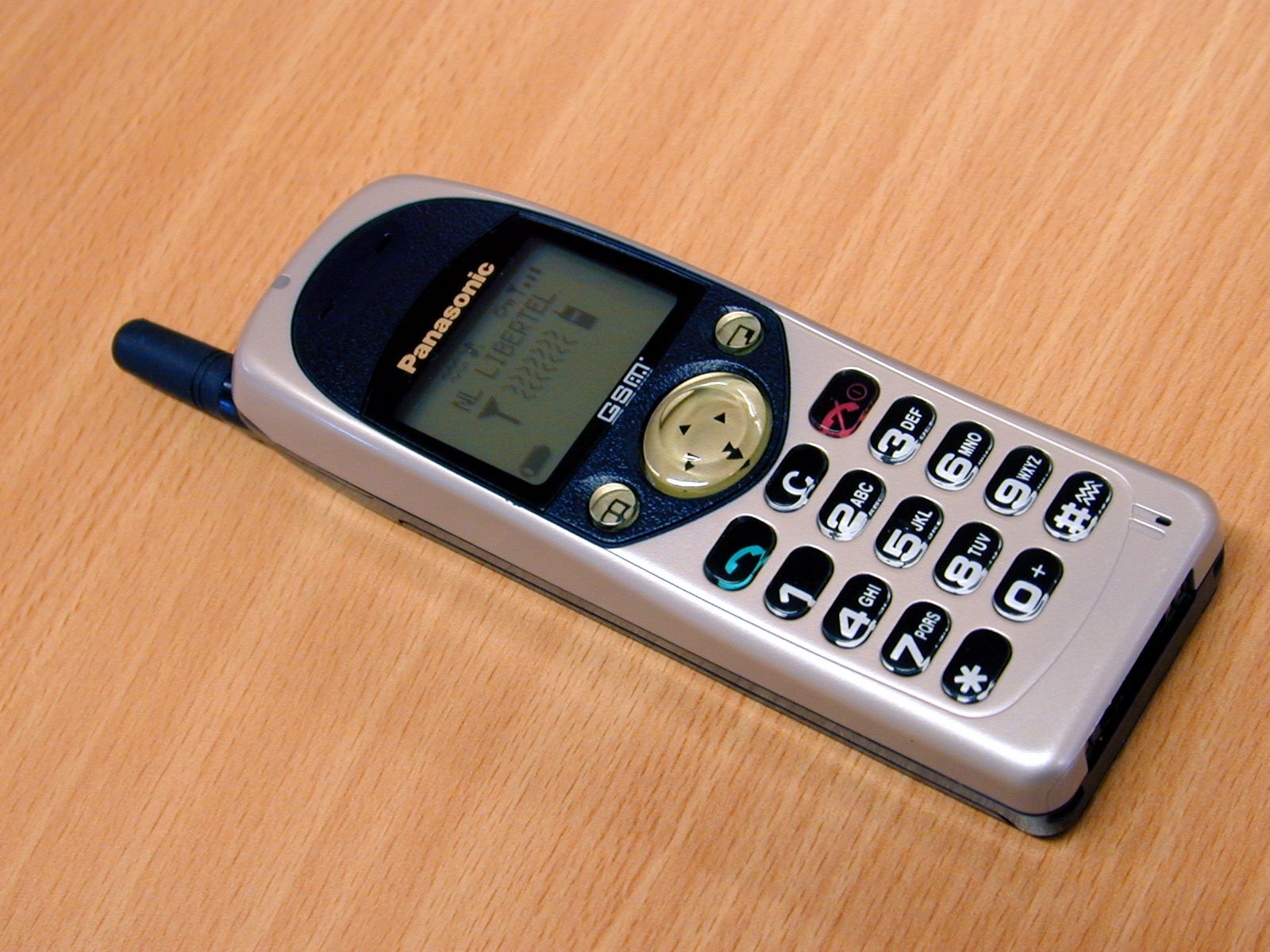
Many modern operating systems support game controllers, allowing users to navigate their desktops and applications using the joystick and buttons. With the rise of cloud gaming and gaming platforms, the integration of game controllers into everyday computing is likely to increase, providing users with more options for navigation. This method can be particularly appealing for gamers who prefer the tactile feedback of a controller over a mouse. Game controllers have evolved beyond their traditional role in gaming, becoming viable
Free Cursor Alternatives alternatives for general computer use.
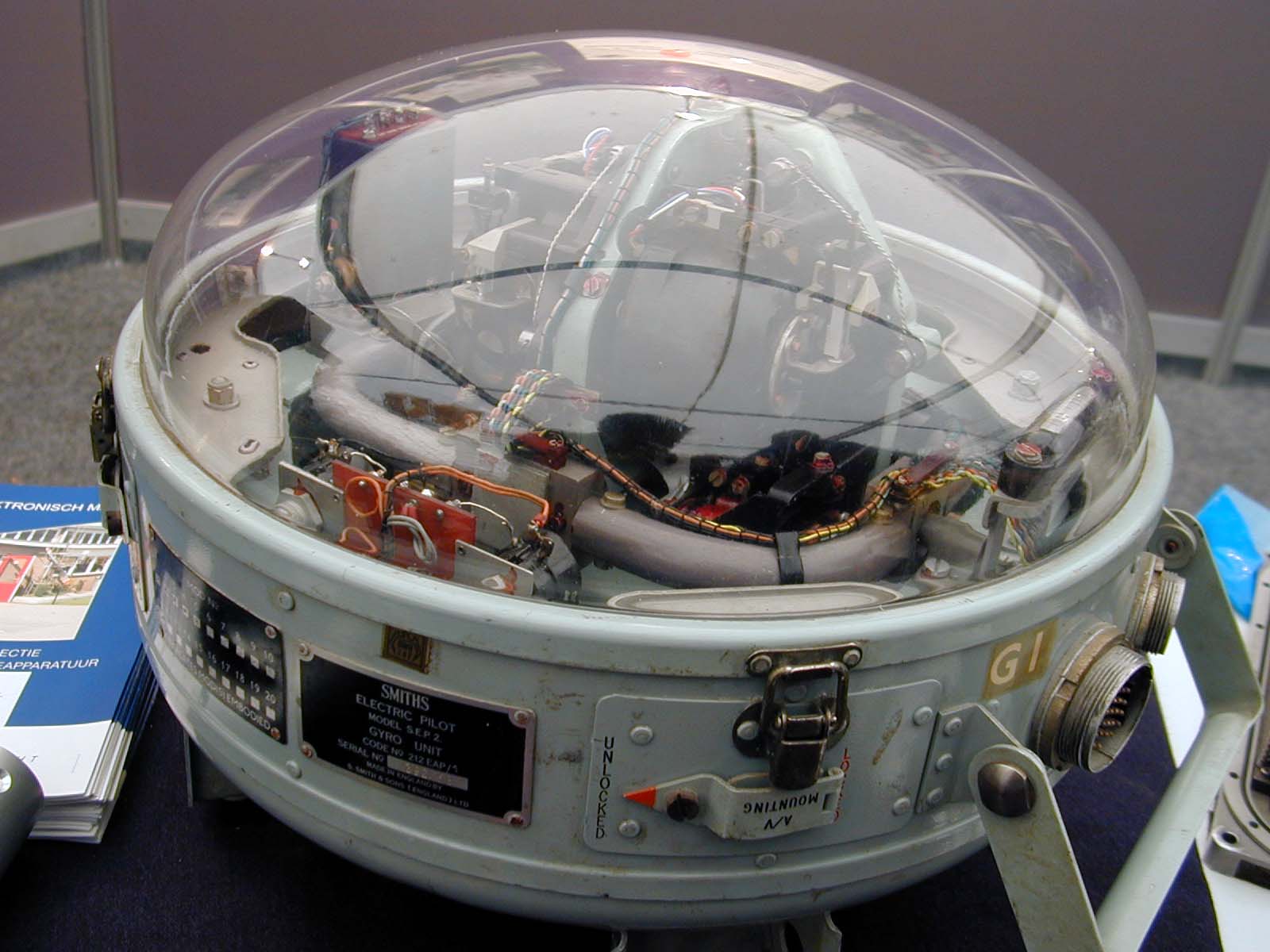
The integration of AI with other emerging technologies, such as the Internet of Things (IoT) and blockchain, will further enhance capabilities and create new opportunities for innovation. Looking ahead, the future of AI is both exciting and uncertain. As AI systems become more sophisticated, the potential applications will continue to expand, touching every aspect of our lives.
As technology continues to advance, the landscape of cursor alternatives is expanding rapidly. From touchscreen gestures and stylus pens to eye-tracking technology and voice control, users now have a diverse array of options to enhance their digital experience. These alternatives not only cater to different preferences and needs but also promote accessibility and inclusivity in technology.
Multi-touch gestures, such as pinch-to-zoom and three-finger swipes, enhance functionality, making trackpads a versatile option for both casual users and professionals. These devices allow users to control the cursor with finger movements, providing a compact and efficient way to navigate without a mouse. Trackpads and touchpads are common on laptops and some external keyboards, offering an alternative to traditional mouse cursors. The integration of haptic feedback in some advanced touchpads also adds a tactile element to the user experience.

Gesture recognition devices, such as the Microsoft Kinect, allow users to control their computers through body movements. This technology uses cameras and sensors to interpret gestures, enabling users to perform actions like scrolling, clicking, and navigating by simply moving their hands. While primarily used in gaming and interactive installations, gesture recognition has the potential to transform the way we interact with computers, making it a powerful alternative to traditional cursors.
Increased Extinction Rates: With changing climates, species that cannot adapt quickly enough may face extinction. A study by the Intergovernmental Panel on Climate Change (IPCC) estimates that up to one million species are at risk of extinction due to climate change, habitat destruction, and other anthropogenic pressures.
